In a world where children are constantly bombarded with messages about who they should be, helping them discover who they actually are has never been more essential.
Self-awareness isn't just another buzzword in parenting circles, it's the foundation upon which confident, emotionally intelligent children are built.
As a parent, you've probably noticed: some kids seem to understand themselves naturally, while others struggle to identify even basic emotions. The truth? Self-awareness is a skill we can nurture, not just a trait some children are born with.
Let's talk about why this matters so much for your child's identity and confidence, and how you can actively cultivate it.
Self-awareness is your child's ability to recognize their own emotions, understand their strengths and weaknesses, and grasp how their behavior affects others around them.
It's that moment when your 7-year-old says, "I'm feeling frustrated because I can't get this right," instead of just throwing the puzzle across the room.
It's when your teenager recognizes, "I know I get anxious before tests, so I need to prepare differently."
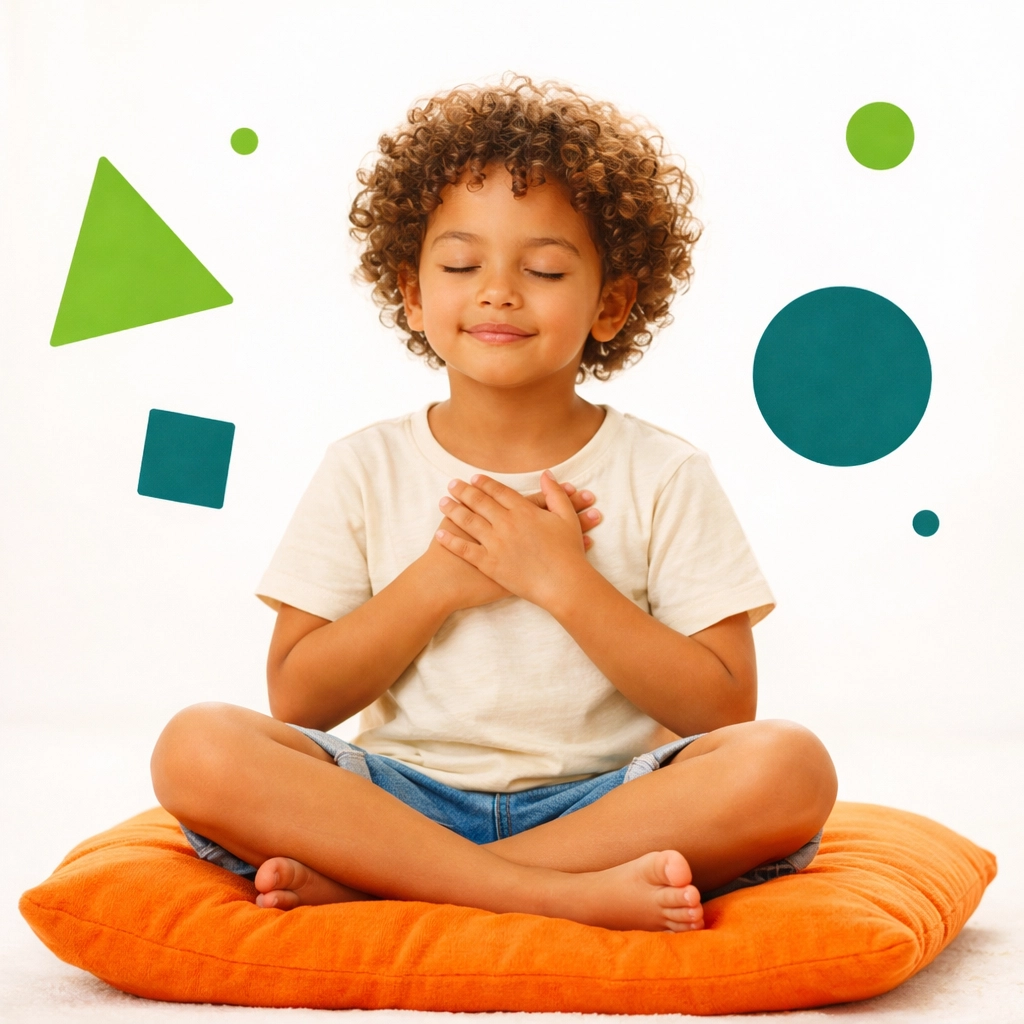
This understanding creates a grounded sense of self, a confidence that comes from knowing who you are, not from external validation. And in today's comparison-driven culture, that's invaluable.
Here's something fascinating: self-awareness actually begins in infancy.
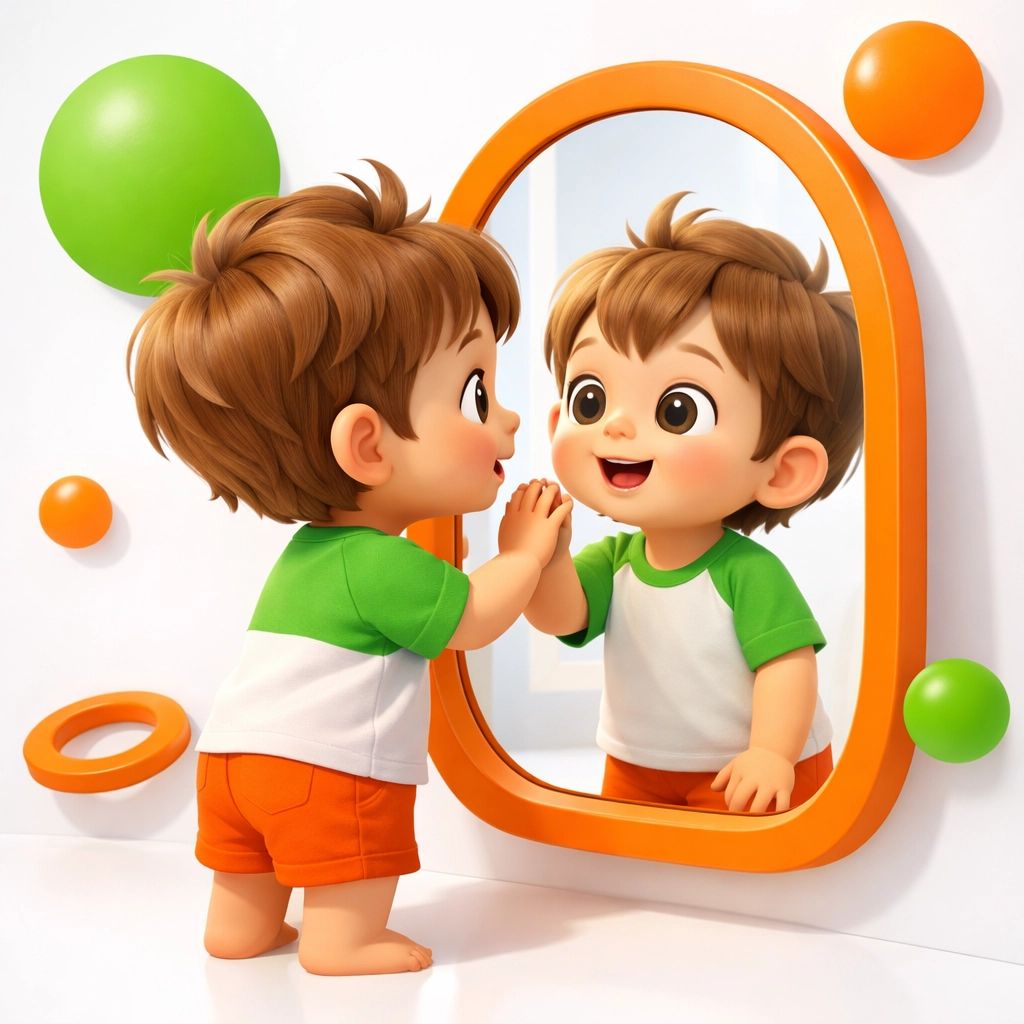
Babies start by exploring their own hands and feet, slowly understanding that these body parts belong to them. Between 15 and 24 months, toddlers develop the remarkable ability to see themselves from others' perspectives, that's why your little one suddenly becomes fascinated with mirrors.
By around age 4, children achieve what researchers call "meta-self-awareness." They understand that others see them and might think differently about them than they think about themselves.
This is why some preschoolers suddenly become shy or self-conscious in social situations. They're developing that awareness of being observed.
But here's the key: just because self-awareness starts developing naturally doesn't mean we should leave it to chance. The experiences children have during these formative years shape how they see themselves for a lifetime.
When we talk about life skills for kids, self-awareness sits at the very top of the list. Here's why:
1. It Builds Genuine Confidence
Children with self-awareness don't need constant external validation because they have an internal compass. They know their worth isn't dependent on being the best at everything, it comes from understanding and accepting who they are, including their limitations.
That's not arrogance. That's confidence rooted in truth.
2. It Improves Emotional Regulation
When your child can identify why they're upset, not just that they're upset, they gain power over their emotions instead of being controlled by them.
Self-aware children recognize the connection between their feelings and their behavior. They start to think: "When I'm tired, I get cranky with my sister. Maybe I need to take a break."
3. It Fosters Empathy and Stronger Relationships
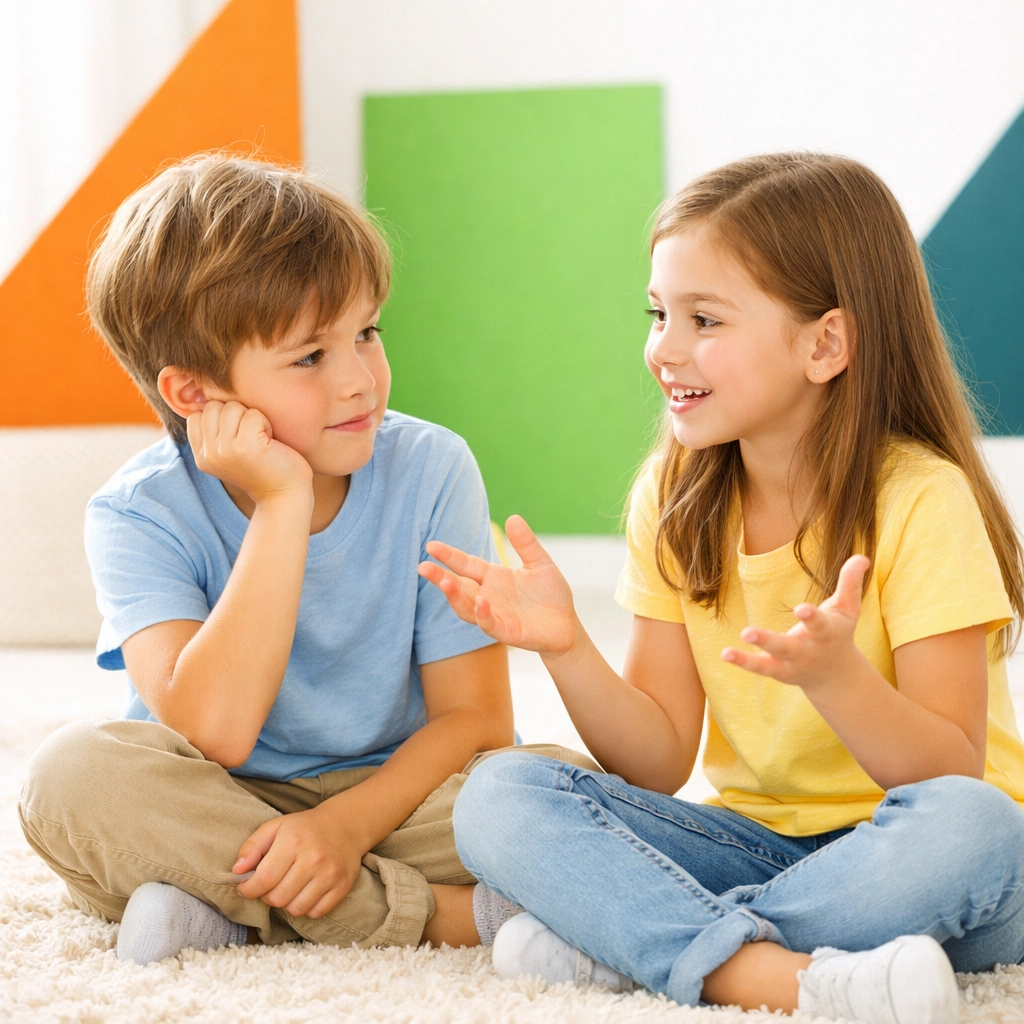
Understanding your own emotions is the first step to understanding others'. Children who are self-aware recognize how their words and actions affect the people around them.
This creates a foundation for empathy, kindness, and meaningful relationships, skills that will serve them far beyond childhood.
4. It Develops a Growth Mindset
Self-awareness transforms how children view setbacks. Instead of seeing failure as evidence they're "not good enough," they learn to ask: "What can I learn from this? What do I need to work on?"
That shift in perspective? It's everything.
So how do we actually cultivate self-awareness in our children? Here are some practical, faith-aligned approaches:
Daily Emotion Check-Ins
Make it a habit to ask your child: "How are you feeling right now? What's happening in your body when you feel that way?"
This simple practice trains them to pause and identify their internal state rather than just reacting.
The "Strengths and Struggles" Conversation
Regularly talk about what your child is good at and what they find challenging. Frame struggles as opportunities for growth, not failures.
You might say: "We all have things that come easily and things we need to work on. That's what makes us human and why we need God's help and each other."
Reflection Questions Before Bed
End the day with gentle questions:
These questions build the habit of self-reflection without feeling like an interrogation.
Journaling or Drawing Their Feelings
For younger children, drawing their emotions works beautifully. Older kids might prefer journaling. The format doesn't matter: the practice of externalizing internal experiences does.
As Christian parents, we have a beautiful framework for teaching self-awareness.
Scripture tells us we are "fearfully and wonderfully made" (Psalm 139:14). Self-awareness isn't about self-obsession: it's about understanding the unique way God created your child so they can fulfill their purpose.
When children understand their gifts, temperaments, and triggers, they're better equipped to serve others and steward what they've been given.
That's not selfish. That's stewardship.
Help your child see that knowing themselves well means they can better love their neighbors, make wise choices, and use their gifts for good.
Here's something crucial: self-awareness and self-control work together in a positive feedback loop.
When your child recognizes their emotional triggers: like frustration when things don't go as planned: they can prepare coping strategies ahead of time.
They move from reacting to responding.
This ability to stay focused on long-term goals despite immediate distractions supports everything from academic success to maintaining healthy friendships. It's the difference between a child who gives up when things get hard and one who perseveres because they understand their patterns and know how to manage them.
Teaching self-awareness isn't always straightforward, especially when you're juggling work, household responsibilities, and trying to model these skills yourself.
That's exactly why we created resources specifically designed to support you.
The Complete Life Skills Platform at Empower Kidz and Teenz Academy offers structured, faith-based content that helps children develop self-awareness alongside other essential life skills. We've done the curriculum planning so you can focus on connection.
Our courses include practical self awareness activities for kids that are age-appropriate and easy to implement: even on your busiest days. From identifying emotions to understanding personal strengths, we walk alongside your family every step of the way.
Want to chat about whether our platform is right for your family? Call our team at +44 121 823 1456. Rachel would love to answer your questions and help you find the best fit for your children.
The experiences your child has now in developing self-awareness will influence how they see themselves for a lifetime.
A well-developed sense of self in childhood becomes the blueprint for future decision-making, personal growth, and relationship health.
You're not just helping your child navigate today's challenges: you're equipping them with a skill set that will serve them through adolescence, young adulthood, and beyond.
That's not pressure. That's privilege.
You get to be part of shaping how your child understands and relates to themselves and the world around them. What an incredible gift.
Self-awareness is just one piece of the comprehensive life skills education your child deserves.
If you're ready to provide your children with structured, faith-based learning that builds confidence, character, and practical skills, explore our Complete Life Skills Platform today.
Visit www.empowerkidzandteenz.com/complete-life-skills-bundle to discover how we're helping Christian families raise confident, capable, and compassionate children who know who they are and Whose they are.
Your child's journey to self-understanding starts with the tools you provide today. Let's equip them together.






Comments are closed