

Leadership isn't something your teen will magically discover at university or in their first job.
It's cultivated in the everyday moments happening right now: in your kitchen, during family conversations, and through the small decisions they make before they ever leave your front door.
The world needs young leaders who can think critically, empathize deeply, and act with integrity. But here's the challenge: traditional education rarely teaches these skills. That's why the real work begins at home, with you as their first and most influential leadership mentor.
So, let's talk about how to nurture that inner leader in your teen: not through lectures or rigid rules, but through intentional, practical steps that build their confidence from the inside out.

There's a world of difference between telling your teen to "empty the dishwasher" and asking them to "plan this week's family meals within our budget."
One is a task. The other is leadership training.
Real responsibility means giving your teen genuine decision-making power over outcomes that matter. Let them manage a portion of the family budget. Ask them to research and plan a weekend outing. Put them in charge of organizing a community service project or coordinating with relatives for a family gathering.
When they own the entire process: from planning to execution to learning from what didn't work: they're developing the critical thinking muscles that leaders need. They're learning that their choices have consequences, both good and challenging, and that's where true confidence grows.
The key? Step back and let them stumble occasionally. Resist the urge to jump in and fix things before they've had a chance to problem-solve on their own.
As Proverbs 22:6 reminds us, "Train up a child in the way he should go; even when he is old he will not depart from it." That training includes letting them navigate real decisions while they still have your guidance nearby.
Your teen is watching everything you do: how you handle conflict with grace, how you admit when you're wrong, how you serve others even when it's inconvenient.
They're learning leadership from you long before they realize it.
If you want them to become leaders who listen well, they need to see you genuinely hearing others' perspectives. If you want them to lead with humility, they need to witness you owning your mistakes without defensiveness. If you want them to advocate for what's right, show them what that looks like when it costs you something.
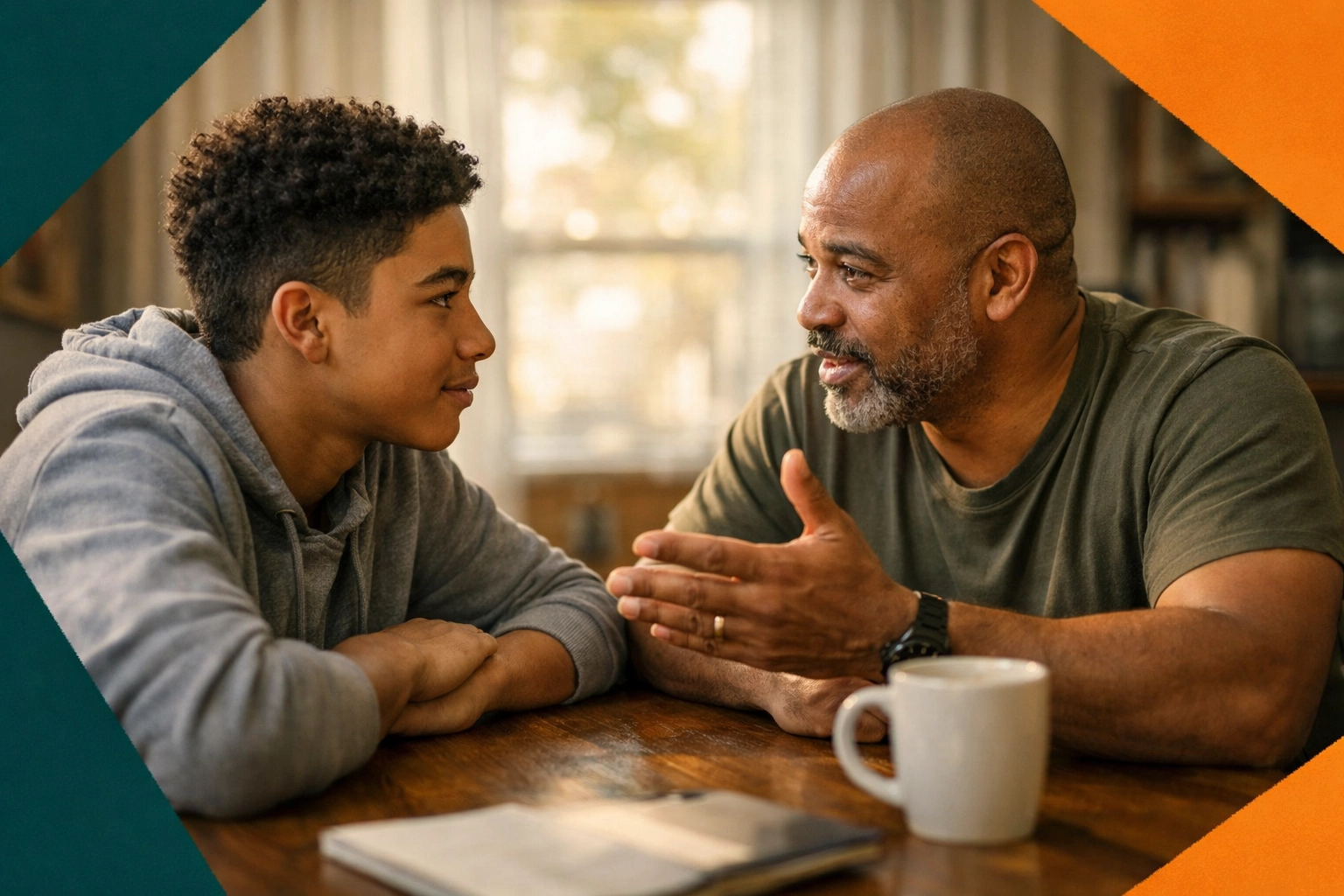
Leadership isn't about perfection: it's about character in action.
This means being intentional about the moments when you're under pressure. Talk through your decision-making process out loud occasionally. Let them hear how you weigh options, consider others' needs, and choose the harder right over the easier wrong.
Remember, authentic leadership is caught more than it's taught. Your everyday choices are the curriculum.
Great leaders aren't people who never fail: they're people who've learned how to extract wisdom from their failures.
And that skill starts with the environment you create at home.
Does your teen feel safe bringing you their mistakes, or do they hide them in fear of disappointment? When they mess up a responsibility you've given them, is your first response criticism or curiosity?
The difference matters enormously.
A supportive home environment means offering constructive feedback that highlights what worked, explores what didn't, and collaboratively problem-solves for next time. It means celebrating effort and growth, not just perfect outcomes.
When your teen knows they won't be condemned for taking risks that don't pan out, they develop the resilience and courage that leadership demands. They learn to see setbacks as data, not definitions of their worth.
This is where many parents stumble: we want to protect our children from discomfort, so we rescue them before they've fully experienced natural consequences. But those consequences, within reason, are some of life's best teachers.
Ecclesiastes 7:8 tells us, "Better is the end of a thing than its beginning, and the patient in spirit is better than the proud in spirit." Patience with the learning process: theirs and yours: builds leaders who can weather storms.

Leadership isn't about going solo: it's about bringing people together toward a common purpose.
That's why group activities are invaluable for developing your teen's leadership capacity.
Sports teams, drama productions, volunteer initiatives, youth group projects: these are the practice grounds where teens learn when to lead, when to follow, and how to navigate the complexities of group dynamics. They discover how to communicate clearly under pressure, compromise when necessary, and lift others up instead of stepping on them.
These experiences teach something crucial: effective leaders serve their teams, they don't simply command them.
When your teen participates in collaborative activities, they're developing empathy: the ability to understand and value perspectives different from their own. They're learning conflict resolution in real-time. They're discovering their unique strengths and how those strengths contribute to something larger than themselves.
Encourage your teen to take on leadership roles within these groups when opportunities arise. Whether it's captaining a team, directing a scene, or coordinating a service project, each experience builds their leadership toolkit.
And here's the beautiful part: they're learning that leadership is about people, not just tasks.
Leaders who can't manage their own emotions or understand others' feelings don't lead well: they simply have titles.
True leadership requires emotional intelligence alongside practical skills.
Start by helping your teen set meaningful goals: not just academic ones, but personal growth goals, relationship goals, and character goals. Teach them to break big dreams into actionable steps. Show them how to track progress and adjust course when needed.
But equally important? Teach them to recognize and name their emotions. Help them understand what triggers stress, frustration, or self-doubt. Give them vocabulary for what they're feeling and strategies for managing those feelings constructively.

When teens can advocate for their own needs while remaining sensitive to others' experiences, they're developing the emotional maturity that leadership demands. They're learning that strength includes vulnerability, and that understanding yourself is the first step toward understanding others.
This is where intentional, structured learning can make a tremendous difference. That's precisely why we created the Complete Life Skills Platform: to give parents a comprehensive tool for teaching these essential skills systematically.
The platform covers everything from emotional intelligence and decision-making to financial literacy and digital responsibility, all within a faith-based framework. For just £19.99/month, your teen gets access to engaging modules, practical activities, and guided learning that complements what you're already teaching at home.
It's like having a co-teacher who specializes in preparing your child for real life: not just exams.
Leadership development isn't a destination: it's a journey that begins with small, intentional steps at home.
When you give your teen real responsibility, model authentic leadership, create a safe space for growth, encourage teamwork, and teach emotional intelligence alongside goal-setting, you're not just preparing them for future success. You're equipping them to make a difference in their world right now.
And here's the truth: your teen doesn't need to be perfect to lead. They need to be courageous, compassionate, and committed to growing. Those qualities are developed through practice, patience, and your consistent belief in their potential.
As Christian parents, we're called to steward the gifts God has placed in our children: including their capacity to lead with integrity and purpose. That stewardship means being intentional about the skills we're passing on and the character we're cultivating.

The Complete Life Skills Platform is designed to support you in this mission, providing the structure and content that makes comprehensive life skills education accessible and achievable for busy families.
Ready to give your teen the leadership tools they need? Get the Complete Life Skills Platform at www.empowerkidzandteenz.com/complete-life-skills-bundle and start building their leadership foundation today.
Have questions about how the platform works or want to discuss your teen's specific needs? Call our team at +44 121 823 1456: we're here to help you raise the next generation of confident, compassionate leaders.
Because leadership doesn't start when they leave home. It starts right now, with you.







Comments are closed