Let's be honest, most of us parent the way we were parented.
We teach what we know. We model what we saw. And somewhere along the way, we hope our kids pick up the essentials: how to manage money, navigate conflict, handle peer pressure, and make wise decisions when we're not around.
But here's the uncomfortable truth: hoping isn't a strategy.
Traditional parenting, the organic, learn-as-you-go approach, has its beautiful moments. It's filled with love, dinner table conversations, and those spontaneous life lessons that happen in the car or at bedtime. But in 2026, is it enough to prepare your child for a world that's moving faster, more digitally connected, and more morally complex than ever before?

You love your kids fiercely. That's not the question.
The question is: Are they equipped?
Can your 11-year-old explain what emotional regulation looks like when they're angry? Does your 14-year-old know how to create a budget or recognize online manipulation? Do they understand their identity in Christ well enough to stand firm when the world tells them otherwise?
Traditional parenting often assumes kids will absorb these skills through osmosis. And some do. But research shows that structured life skills training produces measurable improvements in critical thinking, self-awareness, creative problem-solving, and interpersonal skills: areas where incidental learning falls short.
One study found students who completed formal life skills modules showed statistically significant increases across multiple domains, with confidence scores rising by nearly 20% in critical areas like decision-making and self-awareness.
That's not to say traditional parenting fails. It's to say that intentional, structured training amplifies what you're already doing.
Let's give credit where it's due.
Traditional parenting creates emotional bonds. It teaches values through lived example. It offers the irreplaceable gift of presence: being there for the scraped knees, the broken hearts, and the midnight questions.
You can't outsource love. You can't delegate character formation entirely.
But here's where it gets tricky: traditional parenting relies heavily on your existing knowledge and availability. If you didn't learn financial literacy, how do you teach it? If you struggle with emotional intelligence yourself, how do you model it for your teen?
And let's talk about time. Between work, church commitments, extracurriculars, and just keeping the household running, when exactly are you supposed to deliver a comprehensive curriculum on puberty, digital safety, and entrepreneurship?
You're one person. And you're doing your best.
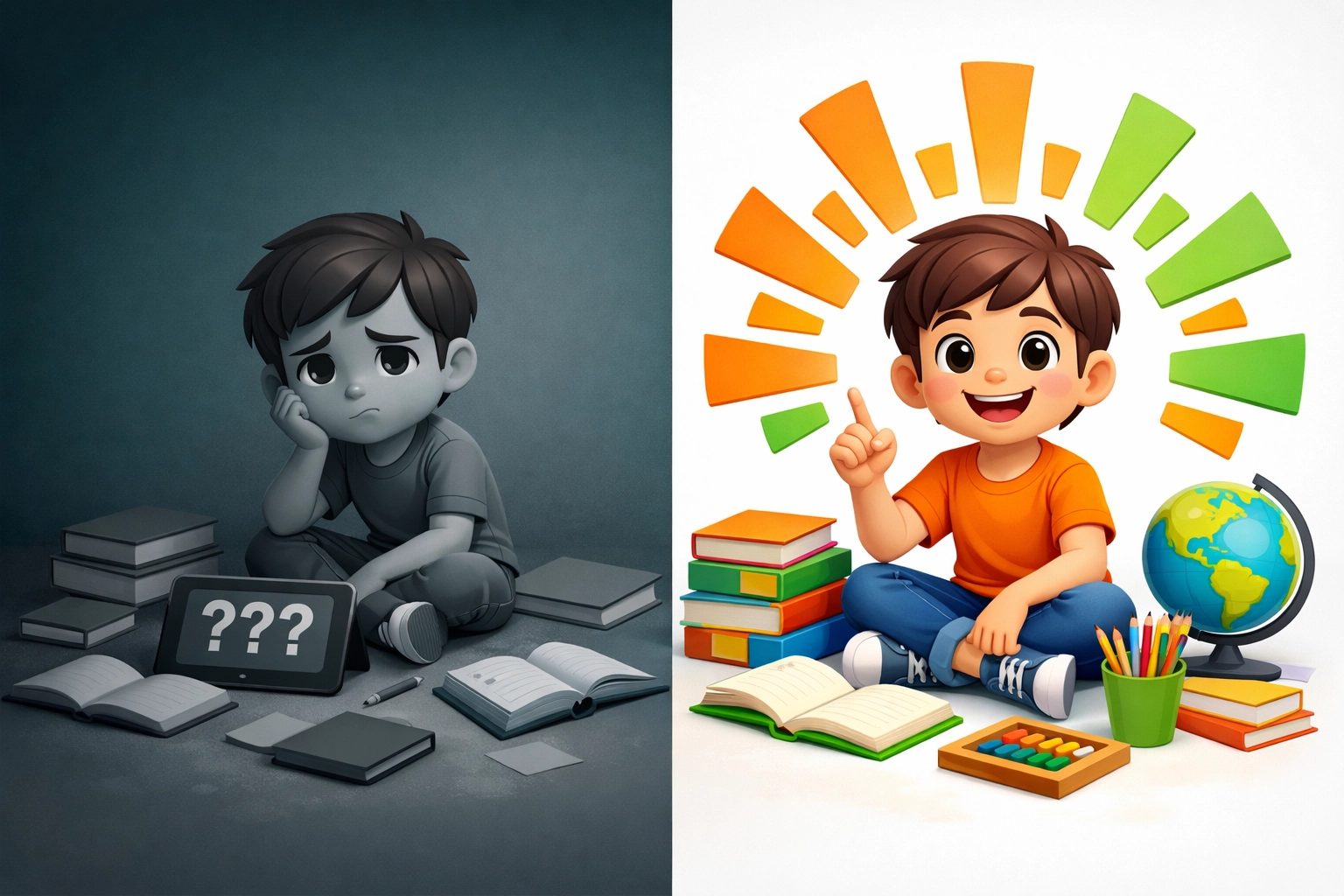
This is where the Complete Life Skills Platform comes in: not to replace you, but to resource you.
Think of it as the structured scaffolding around the foundation you're already building.
The Platform doesn't leave skill development to chance. It covers everything from Emotional Intelligence and Financial Literacy to Digital Safety and Puberty Education: all through a biblical lens.
Each module is intentionally designed, age-appropriate, and values-driven. Your kids don't just learn what to do; they learn why it matters in light of God's design for their lives.
Proverbs 22:6 says, "Train up a child in the way he should go; even when he is old he will not depart from it." This isn't passive hoping. It's active training.
Maybe you're brilliant at teaching kindness but unsure how to explain cryptocurrency to your 13-year-old. Maybe you're confident in your faith but need help navigating conversations about online privacy or healthy boundaries.
The Platform brings expert-created content to your fingertips. You're not expected to be an expert in everything: just engaged enough to guide your child through the lessons.
Unlike traditional parenting's "teach it when it comes up" approach, the Platform offers structured learning that fits your family's rhythm.
Lessons are self-paced. Kids can revisit concepts. Parents can preview content and facilitate discussions. It's education on your terms, not someone else's schedule.
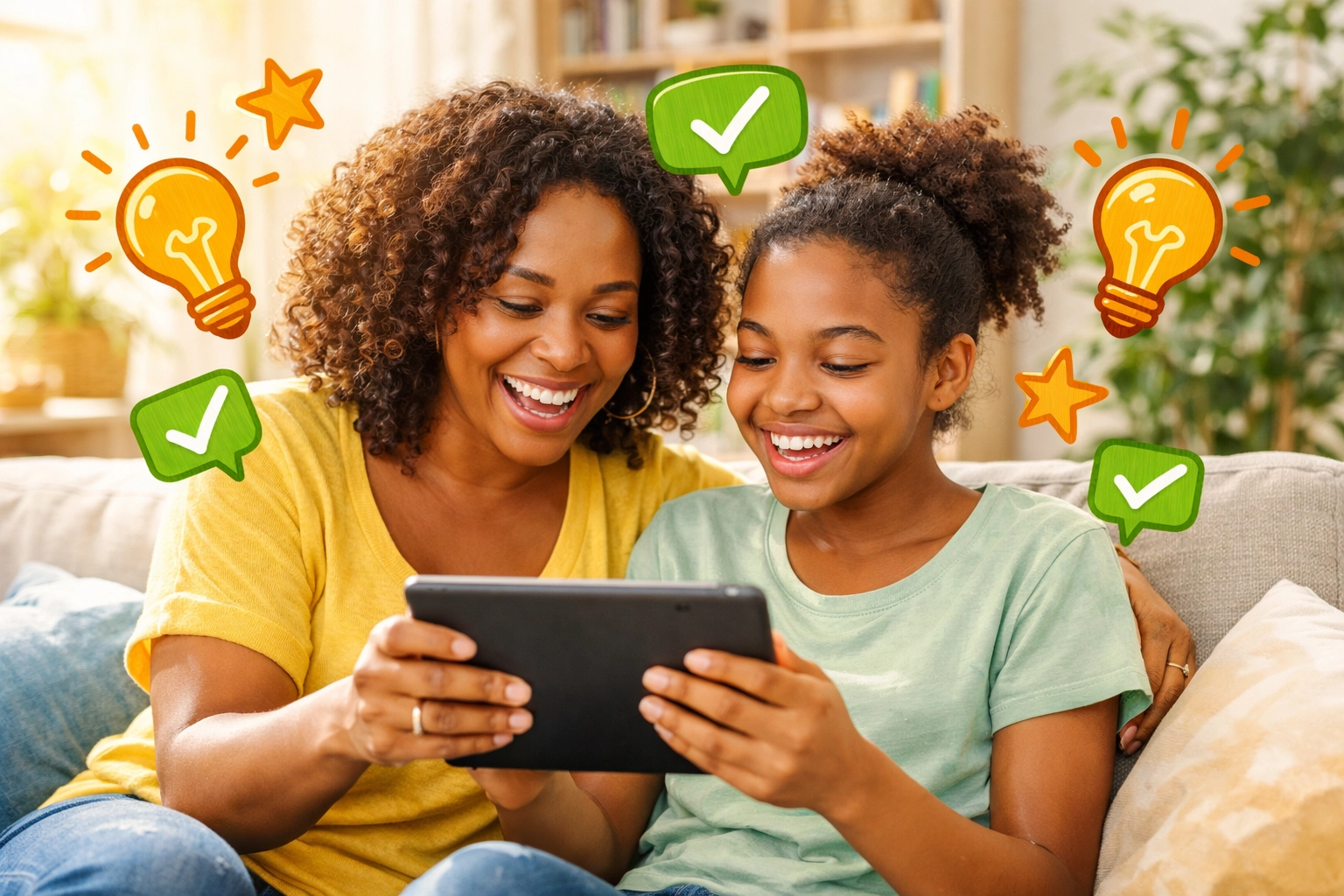
Here's something traditional parenting rarely offers: tangible milestones.
The Platform tracks your child's progress through each module. You'll see where they're excelling and where they need extra support. And here's the motivator: kids who complete the entire curriculum are eligible for a £100 prize, turning skill-building into a rewarding journey.
This isn't secular life skills with a Bible verse tacked on at the end.
Every lesson is rooted in biblical principles. Self-awareness is taught through understanding your identity in Christ. Financial stewardship is framed as managing God's resources. Relationships are explored through the lens of honoring others as image-bearers of God.
Your kids aren't just learning skills: they're developing a Christian worldview that will anchor them for life.
So, which is better: traditional parenting or a structured life skills platform?
The answer is: you need both.
Traditional parenting provides the relational foundation, the love, the presence, and the day-to-day modeling that no curriculum can replace.
The Complete Life Skills Platform provides the intentional training, the expert guidance, and the comprehensive coverage that ensures nothing critical falls through the cracks.
Together? They're unstoppable.
You bring the heart. The Platform brings the structure. Your kids get the full package: love and preparation.
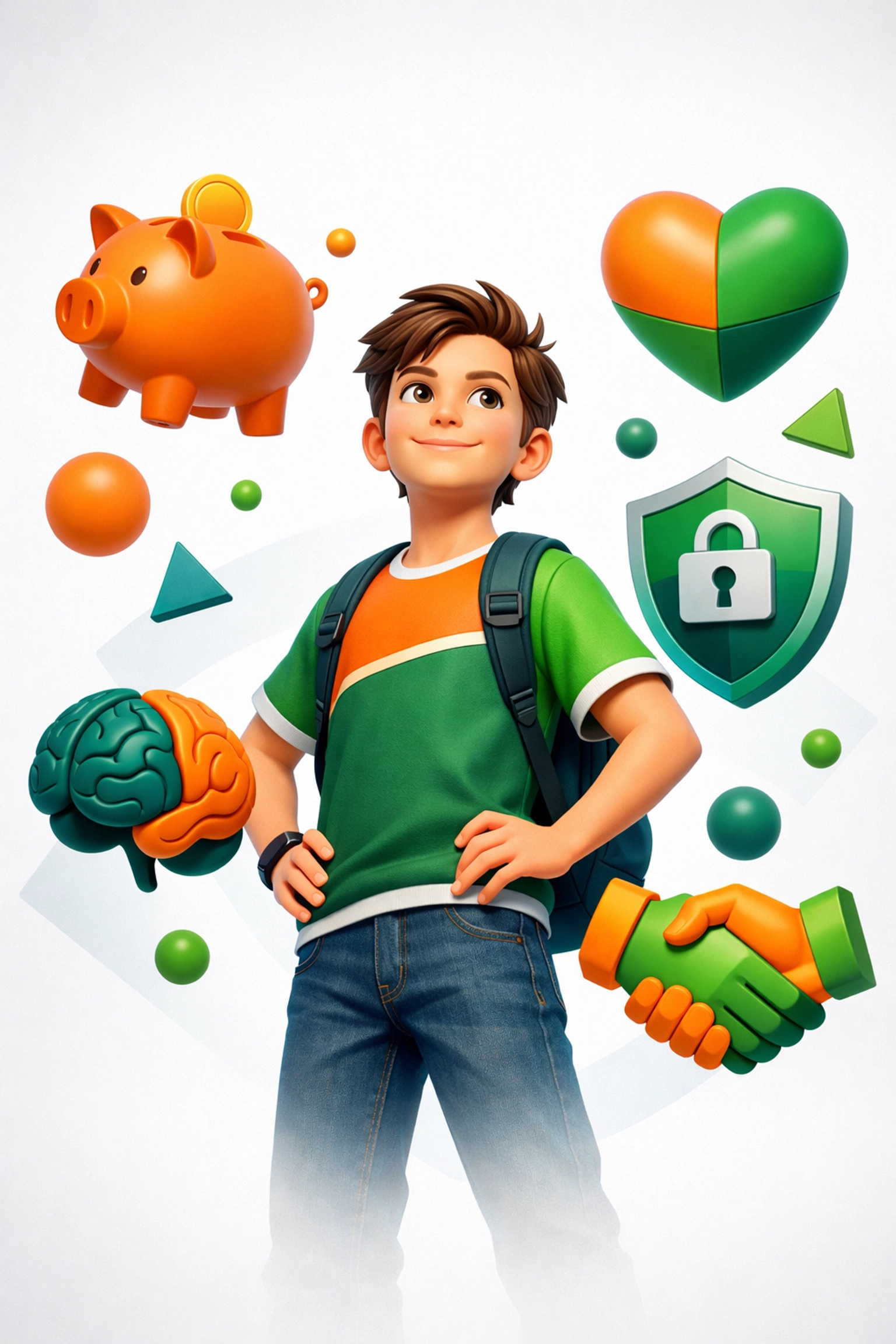
Picture this: Your 16-year-old receives their first paycheck. Instead of blowing it on impulse purchases, they allocate 10% to giving, 20% to savings, and budget the rest wisely: because they've been through the Financial Literacy module.
Or imagine your 12-year-old navigating a tough social situation at school. Instead of melting down or retaliating, they pause, identify their emotions, and respond with self-control: skills learned through the Emotional Intelligence training.
This is what preparation for real life looks like. Not theoretical knowledge, but practical application. Not wishful thinking, but measurable competence.
Here's what many parents don't realize until it's too late: the window for teaching foundational life skills is shorter than you think.
By the time your child reaches 16 or 17, their peer influence often outweighs your parental input. Their habits are formed. Their worldview is largely set.
The formative years: ages 8 to 15: are your golden opportunity. This is when they're still listening, still moldable, still eager to learn from you.
Waiting isn't neutral. It's a choice: and it has consequences.
The Complete Life Skills Platform is live and ready for your family at £19.99/month: a small investment for a lifetime of equipped, confident, and godly young adults.
Here's what you get:
Your kids don't need perfect parents. They need prepared parents: parents willing to say, "I don't have all the answers, but I'm going to make sure you get the training you need."
That's stewardship. That's wisdom. That's love in action.
Ready to bridge the gap between love and preparation?
Visit the Complete Life Skills Platform and give your kids the tools they need to thrive: not just survive: in today's world.
Have questions? Call our team at +44 121 823 1456 or reach out via WhatsApp at https://wa.me/447361653024. Rachel and the team are here to walk you through everything and answer any questions you might have.
Your kids are counting on you: not to be perfect, but to be intentional.
Let's equip them together.
"The heartbeat of the Complete Life Skills Platform isn't information; it's transformation. We're not just teaching skills; we're shaping the next generation of confident, capable, and Christ-centered young adults."







Comments are closed