In a world that prizes high grades and athletic trophies, we often overlook the one skill that actually determines a child's long-term success.
It isn't calculus. It isn't a perfect backhand.
It is emotional intelligence, or EQ.
But here is the thing: you cannot build emotional intelligence if you do not first build self-awareness. It is the foundation upon which everything else sits. Without it, your child is essentially sailing a ship in a storm without a compass.
As a parent, you know that big emotions can feel like a tidal wave. For a child, those waves are even bigger because they don't yet have the words to describe what is happening inside them. We are called to be stewards of our children’s hearts, helping them navigate these internal waters with wisdom and grace.
Proverbs 4:23 tells us to "Guard your heart with all diligence, for out of it spring the issues of life."
Helping our kids understand their own hearts isn't just a "soft skill", it is a spiritual and practical necessity. Let’s talk about the five fastest ways to build that self-awareness muscle in your home today.
We cannot manage what we cannot identify.
Most kids (and quite a few adults) operate on a very limited emotional vocabulary. They are either "happy," "sad," or "mad." But the human experience is far more nuanced than that.
The Mood Meter is a simple, visual tool that categorizes emotions into four quadrants based on energy and pleasantness.
Imagine a grid:
By placing a "Mood Meter" on your fridge, you create a daily routine of self-reflection. Ask your child, "Where are you on the meter right now?" It removes the pressure of finding the "perfect" word and allows them to identify the physical sensation of their emotion first.
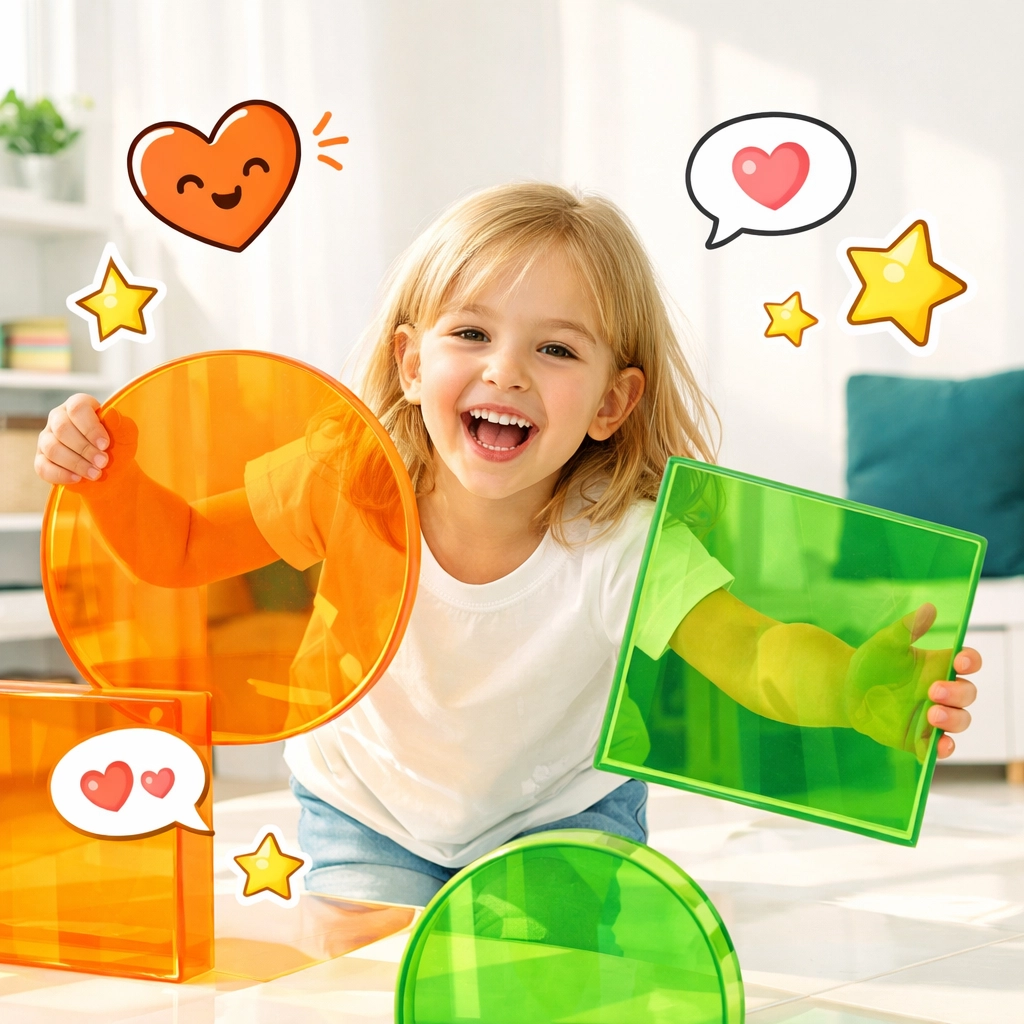
When we teach our kids to name their feelings, we are giving them the tools to master them. It’s the difference between being driven by an emotion and observing it.
Life doesn't happen in a vacuum, and neither does emotional growth.
One of the fastest ways to build self-awareness is to observe it in others first. This is where media literacy meets emotional intelligence. Whether you are reading a bedtime story or watching a movie together, use those moments as a laboratory for EQ.
Stop the movie and ask:
"Look at his face, what do you think he is feeling right now?"
"Why do you think she reacted that way?"
"If you were in that situation, what would your heart be telling you?"
This activity builds empathy, but more importantly, it creates a "safe distance" for kids to analyze complex emotions. When they see a character navigate a difficult feeling, they are mentally rehearsing how to do the same in their own lives.
It is about training their eyes to see the invisible, the underlying motives and feelings that drive behavior.
Self-awareness isn't just a mental exercise; it is a physical one.
When we get angry or scared, our bodies react before our brains even realize what’s happening. Our heart rate climbs. Our breathing becomes shallow. Our muscles tense.
Teaching your child to "check in" with their body is a game-changer for self-awareness. We call this the physicality of feelings.
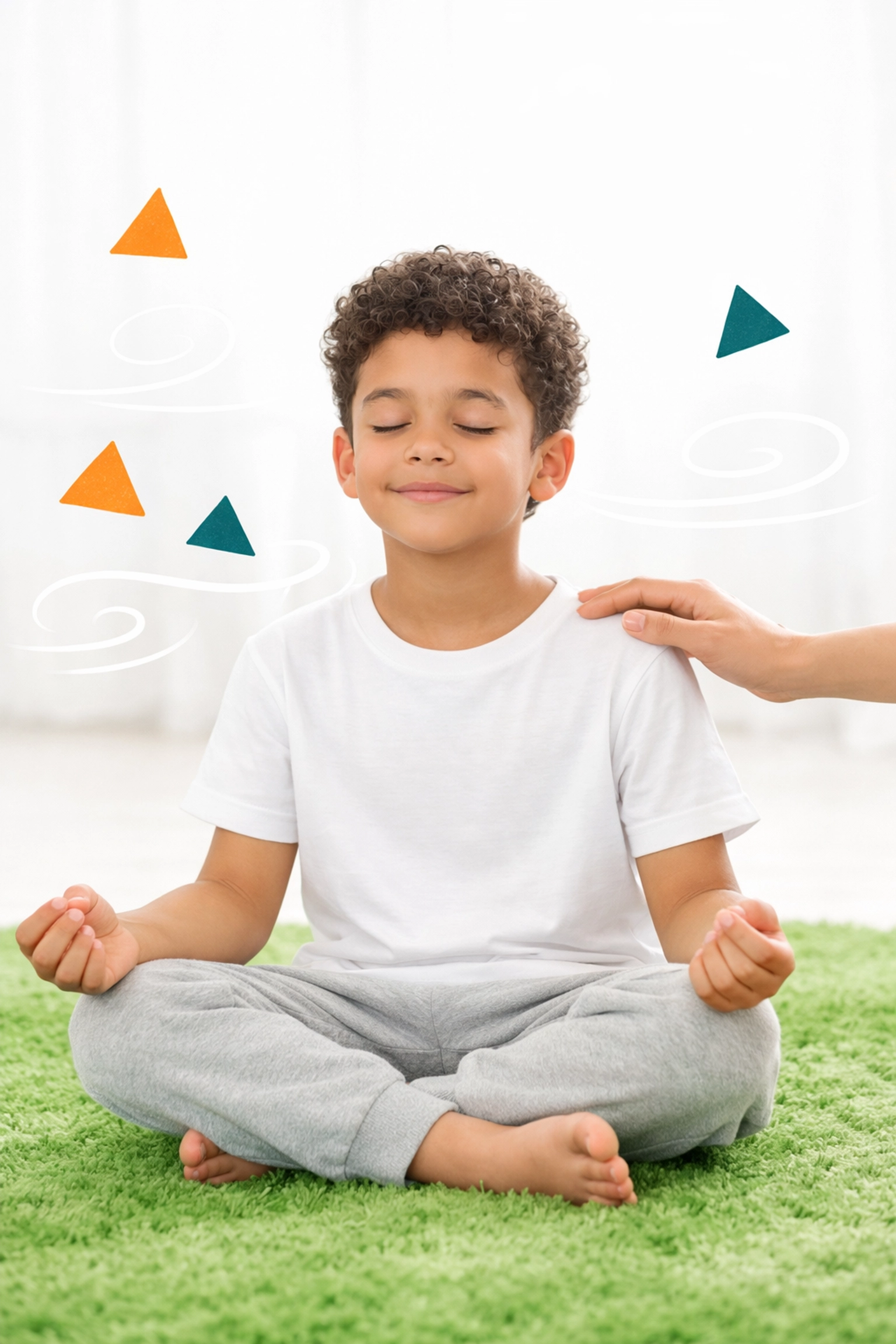
Practice "Box Breathing" or "Belly Breathing" during calm moments, not just when they are in the middle of a meltdown.
"Let's see if we can feel our breath moving all the way down to our toes."
By mastering the pause, your child learns to recognize the physical "warning signs" of a big emotion before it becomes a full-blown tantrum or shutdown. This is the essence of self-regulation. It is about moving from a state of reaction to a state of response.
As parents, our instinct is often to "fix" the feeling or dismiss it to make the child feel better.
"Don't be sad, it’s not a big deal."
"You’re fine, stop crying."
While well-intentioned, this actually stunts self-awareness. It tells the child that their internal compass is wrong.
Instead, practice Emotion Coaching. This involves five key steps:
Instead of saying "You're fine," try: "It looks like you're feeling really frustrated because that tower fell over. I get it. It’s hard when things don't go the way we planned. What can we do next?"
This approach validates their internal reality while giving them the framework to handle it. You are coaching them into confidence, not just correcting their behavior.
Finally, we must connect self-awareness to our identity in Christ.
Self-awareness without a moral or spiritual anchor can lead to self-centeredness. But when we view our emotions through the lens of stewardship, everything changes.
Encourage your child to "talk to God" about their feelings. This can be through a simple journal or a nightly prayer.
"Lord, I felt really jealous today when my friend got a new toy. Help me understand why my heart feels this way and help me to be happy for them."
This practice teaches kids that their emotions are not "bad" or "sinful": they are indicators. They tell us something about the state of our soul. By bringing those feelings into the light of faith, kids learn to seek wisdom rather than just venting.
James 1:19 reminds us to be "swift to hear, slow to speak, slow to wrath." This is the biblical blueprint for EQ. It starts with hearing: not just others, but the quiet whispers of our own hearts.
The world our children are walking into is louder and more demanding than ever before.
Digital distractions are everywhere, and the pressure to perform is relentless. If we don't give our kids the tools to understand themselves, they will spend their lives looking for external validation to tell them who they are.
Self-awareness is the gift of knowing who you are, whose you are, and how you feel.
It is the foundation of a life lived with purpose.
At Empower Kidz and Teenz Academy, we believe these life skills are not optional: they are essential for survival and success in the 21st century. We don't just want our kids to get by; we want them to thrive.
If you are ready to give your child the ultimate advantage in life, it’s time to invest in their personal development. Our Complete Life Skills Bundle is designed specifically to guide kids and teens through these complex waters, covering everything from emotional intelligence to financial literacy and purpose discovery.
For just £19.99, you can access a full curriculum of transformational content that prepares your child for the real world.
It isn't just about learning; it’s about becoming.
Give your child the tools they need to lead with confidence.
Get the Complete Life Skills Bundle here
If you have questions about which program is right for your family, or if you want to learn more about our memberships for different age groups, we are here to help.
Call our team: Rachel is available at +44 121 823 1456.
Or, if it’s easier to chat on the go, send us a message on WhatsApp for a quick response: https://wa.me/447361653024.
Your child’s future is shaped by the skills they learn today. Let's make sure they are equipped for the journey ahead.
Nurturing hearts. Empowering futures. Building leaders.




Comments are closed