In the high-stakes world of professional life, you understand the value of a strong EQ.
You know that technical skills might get someone in the door, but it is self-awareness and social navigation that actually keep them in the room: and lead them to the head of the table.
As a parent, you want that same edge for your children.
But let’s be real.
Between the back-to-back meetings and the mental load of running a household, finding the time to "teach" emotional intelligence can feel like another impossible task on an already overflowing plate.
We often assume these skills will just happen: that kids will naturally figure out how to share, how to listen, and how to manage their big emotions.
But self-awareness isn't a factory setting.
It is a skill to be cultivated, a foundation to be built, and a gift that we, as parents, are called to steward.
It is the difference between a child who reacts to the world and a child who navigates it with purpose.
If you want to move beyond just "getting through the day" and start equipping your child for a lifetime of healthy relationships and leadership, these five steps are your roadmap.
Children are the world's greatest observers but the world's worst interpreters.
They see your frustration when a work call goes long, but they don't necessarily understand what that feeling is: or that it isn't their fault.
Self-awareness starts with a vocabulary.
If they can’t name it, they can’t manage it.
Start by narrating your own emotional landscape in simple, non-judgmental terms.
Instead of just sighing heavily at the kitchen counter, try saying: "I am feeling a bit overwhelmed because I have a lot of emails to answer, and I need a moment to breathe."
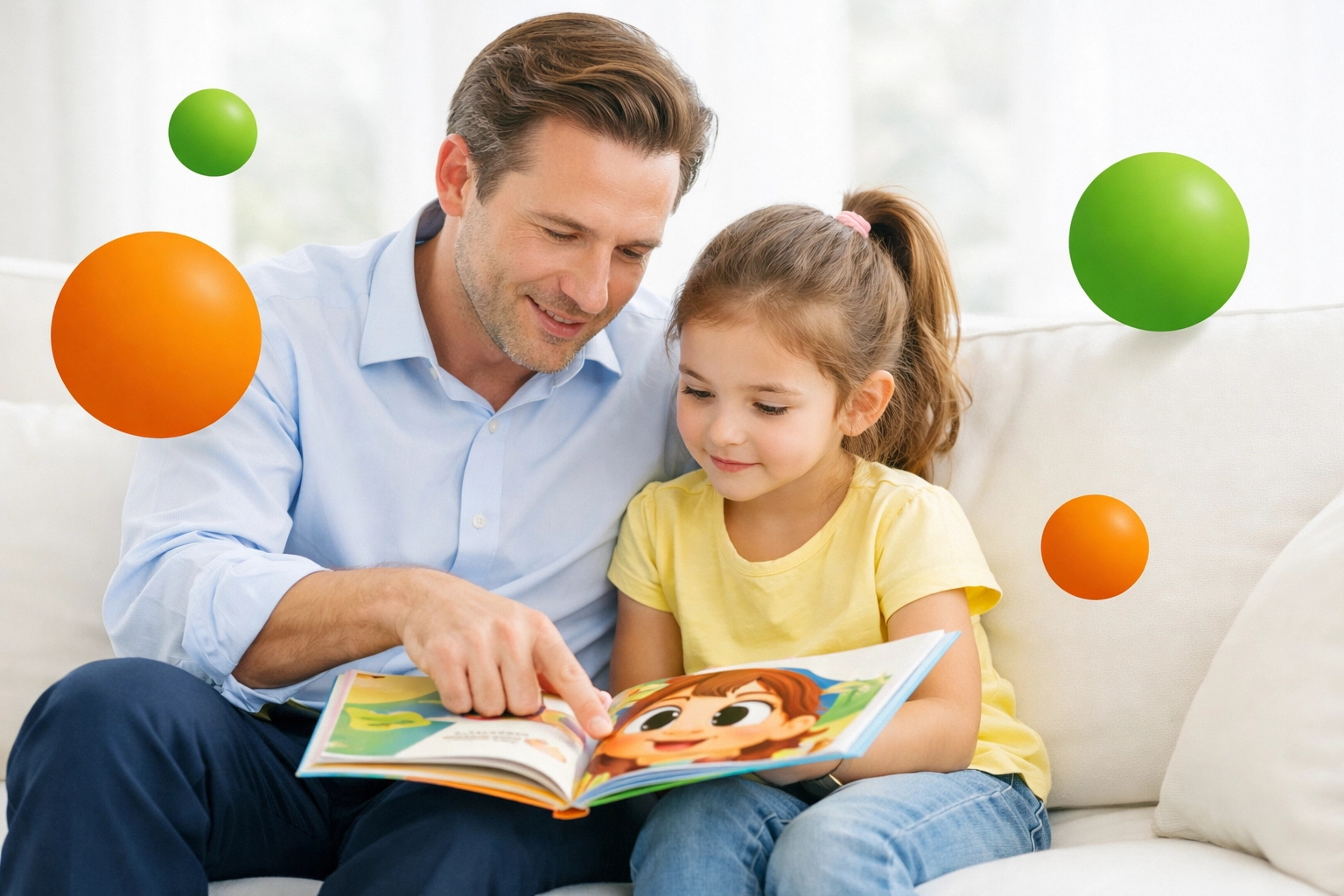
When you label your own emotions, you give them permission to do the same.
Take it a step further by helping them identify the physical cues of emotions in others.
"Look at your brother’s face: his eyebrows are scrunched and he isn't smiling. I think he might be feeling frustrated that his blocks fell down."
This isn't just "talking about feelings."
This is training their brain to recognize the data of human interaction.
Scripture tells us that "The purposes of a person’s heart are deep waters, but one who has insight draws them out" (Proverbs 20:5).
By labeling emotions, you are teaching your child the "insight" needed to draw out what is happening beneath the surface.
Once a child can name a feeling, they need a constructive way to release it.
Without a framework, "I’m mad" usually turns into a slammed door, a hit sibling, or a digital meltdown.
We want to move them from reacting to communicating.
The "I" statement framework is a game-changer for kids aged 5 to 19: "I feel [emotion] when [cause]."
"I feel lonely when you spend all evening on your laptop."
"I feel anxious when I don't know what time we are leaving for soccer practice."
This simple shift does something profound: it connects the internal feeling to an external trigger.
It forces the child to pause and analyze the why behind the what.
This is the heartbeat of self-management.
When children understand what triggers them, they stop being victims of their own moods.
If you are looking for a structured way to dive deeper into these communication habits, our Complete Life Skills Bundle offers specific modules on emotional intelligence and effective communication.
For just £19.99, you can give them the tools to express themselves without the drama.
For younger kids, play is the laboratory of life.
It is where they test out social hierarchies, practice negotiation, and learn the hard lessons of empathy.
But in our digital age, "boredom" is often replaced by a screen, and imaginative play is becoming a lost art.
As a professional parent, you might feel the urge to "optimize" their time with tutors or structured sports.
But don't underestimate the power of a cardboard box and a pretend restaurant.

When kids play "house" or "superheroes," they are stepping into someone else’s shoes.
They are learning to ask: "What would this person do? How would they feel?"
Your role isn't to take over the play, but to be a gentle guide when things go sideways.
If a playdate turns into a conflict over who gets to be the "boss," don't just shut it down.
Step in and ask: "I see two people who both want to be the leader. How can we make sure everyone feels included in the game?"
You are coaching them into confidence, not just refereeing a fight.
Speaking of coaching, our upcoming Easter Life Skills Bootcamp is the perfect environment for this.
From March 30 to April 13, we are running a 2-week challenge designed to transform hearts and nurture futures for kids (5–12) and teens (13–19).
It is a dedicated space for them to practice these social skills in real-time.
You can sign them up right here: https://www.empowerkidzandteenz.com/easter-life-skills-bootcamp.
It is our natural instinct to protect.
When our child forgets their lunch, we drive it to school.
When they have a falling out with a friend, we want to call the other parent and "fix" it.
But every time we rescue them from a social or personal challenge, we rob them of the opportunity to develop self-efficacy.
Self-awareness grows when a child realizes they have the power to change their circumstances.
Instead of giving the solution, start asking the right questions.
"What is one thing you could try to make this situation better?"
"What do you think would happen if you chose to stay quiet instead of shouting back?"
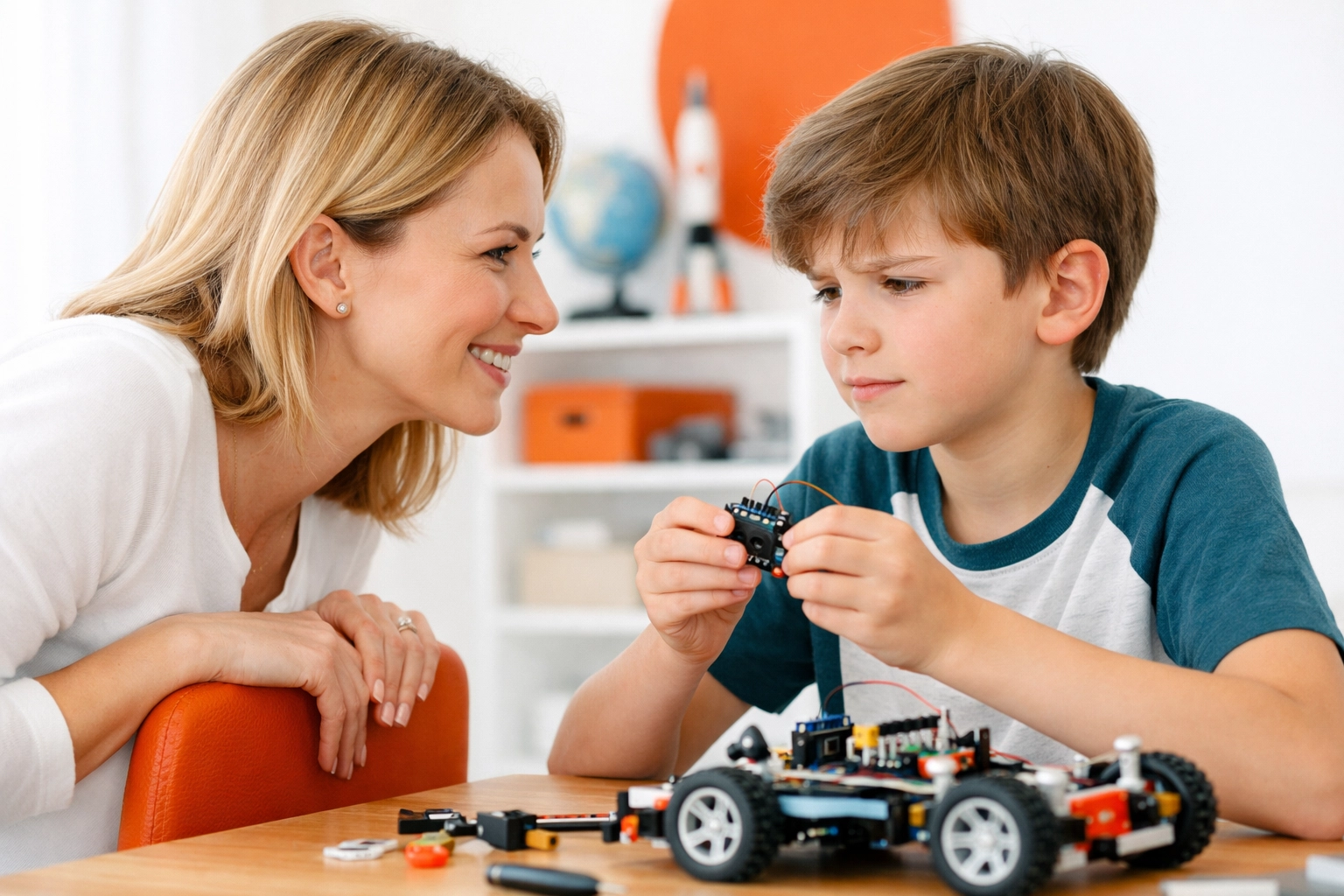
By acting as an "emotion coach," you are validating their feelings while pushing them toward responsibility.
This is the essence of stewardship.
We are not just raising children; we are raising the future stewards of God's world.
We want them to be like the servant who took five talents and turned them into ten: not the one who hid his talent in the ground because he was afraid.
Confidence comes from the evidence of past successes.
Let them fail small now, so they don't fail big later.
Empathy and self-awareness are two sides of the same coin.
The more a child understands how others feel, the more they recognize those same patterns in themselves.
And the more they understand themselves, the more grace they can extend to others.
It’s a beautiful, self-reinforcing cycle.
One of the easiest ways to build this is through "Perspective Checks" during daily life.
When you’re reading a book together or watching a movie, pause and ask: "Why do you think that character acted that way? What do you think they are feeling right now?"

This creates a "mirror effect."
They begin to see that their actions have an emotional impact on the people around them.
Social skills are essentially the outward expression of an inward empathy.
If they can perceive the "vibe" of a room or the subtle shift in a friend’s tone, they can adjust their behavior accordingly.
That is true leadership.
That is how you raise a child who doesn't just "fit in," but who actually adds value to every group they are a part of.
Boosting self-awareness and social skills isn't about creating "perfect" children who never get angry or never make a social gaffe.
It’s about equipping them with the resilience to recover when they do.
It’s about giving them the "life skills" that the traditional classroom often overlooks.
As a parent, you are the primary architect of their character.
You are the one who sets the tone for how they view themselves and how they treat the world.
It is a high calling, but you don't have to do it alone.
At Empower Kidz and Teenz Academy, we specialize in bridging the gap between academic knowledge and real-world wisdom.
Our Complete Life Skills Bundle is specifically designed to handle the heavy lifting of these lessons for you.
For just £19.99, you get access to a platform that empowers your kids and teens to thrive, giving them a foundation that will last far beyond their school years.
Don't wait for a crisis to start building these skills.
The best time to plant a tree was twenty years ago; the second best time is today.
Join the Easter Life Skills Bootcamp (March 30 – April 13)
Give your child a 2-week transformation that focuses on the heart of leadership and life skills.
Sign up for the Bootcamp here
Get the Complete Life Skills Platform
Access our full suite of courses, including Financial Literacy, Purpose Discovery, and more, for only £19.99.
Explore the Bundle here
If you have any questions or want to learn more about how our memberships can support your family’s unique needs, we are here to help.
Call our team (Rachel): +44 121 823 1456
WhatsApp us for quick answers: https://wa.me/447361653024
Preparing them for life isn't just an option( it's the greatest stewardship we have.)





Comments are closed