In a world where you can summon a meal with a tap or outsource your laundry with an app, the humble household chore feels like a relic of a bygone era.
Parenting in 2026 is a marathon run at a sprinter’s pace, we are constantly balancing digital safety, academic pressure, and the emotional well-being of our kids.
It is tempting to look at a sink full of dishes and think, "I’ll just do it myself; they have enough on their plate."
But what if we are accidentally robbing them of the very tools they need to thrive?
At Empower Kidz and Teenz Academy, we believe that chores are not just about a clean house, they are about a prepared life.
Let's talk about the truth of raising responsible teens in today’s automated world.
It is easy to view chores as a daily battle of wills, but the science tells a much different story.
A 25-year longitudinal study recently confirmed what many of us instinctively know: children who begin doing chores as early as ages 3 or 4 develop a stronger work ethic and achieve greater success as they enter their mid-20s.
Success isn't found in a textbook; it is forged in the mundane tasks of daily life.
When your teen finishes a task they didn't want to do, they are building a muscle, one that will serve them when they face a difficult boss or a challenging college course.
The Harvard Study of Adult Development, one of the longest studies ever conducted, found that children given age-appropriate chores developed stronger relationships and higher life satisfaction as adults.
It turns out that the secret to a happy life might just start with learning how to properly load a dishwasher.
We often talk about "brain training" apps, but the best cognitive workout for a teenager is managing a household task.
Research shows that children who participate in household chores show better working memory and improved inhibitory control.
What does that actually mean for your teen?
It means they are developing the ability to resist impulses and make appropriate choices, the foundation of emotional regulation.
When a teen has to plan when to mow the lawn, focus on the task until it’s finished, and switch between multiple steps, they are practicing executive functioning.
These are the skills of planning, focus, and time management that are essential for navigating the complexities of the 2026 digital landscape.
It’s not just about the grass; it’s about the mental grit required to get the job done.
As a parent, you understand that our role is to raise more than just "successful" kids, we are raising stewards.
In the Biblical sense, stewardship is about recognizing that everything we have is a gift from God, and we are responsible for how we care for it.
Colossians 3:23 tells us: "Whatever you do, work at it with all your heart, as working for the Lord, not for human masters."
When we teach our teens to take care of their space, we are teaching them to honor the environment and the home God has provided.
It’s about moving from a "me-centered" world to a "service-centered" heart.
Cleaning a kitchen isn't just a requirement; it is a way to serve the family, a vital practice in a culture that often prizes self-interest over community.
One of the greatest gifts we can give our children is the ability to see the "unseen" work that maintains a household.
When a teen is exempt from chores, they often become blind to the labor of others.
They don't see the planning that goes into a meal or the effort required to keep a home sanitary and welcoming.
By participating, they gain empathy.
They begin to understand the weight of responsibility that their parents carry every day.
This understanding translates into better relationships outside the home, as they become the type of people who notice needs and step in to help without being asked.
We are coaching them into confidence, showing them that their contribution matters and that they are a vital part of the family team.

Let's be real: your teen is probably not going to thank you for the chore list today.
The eye-rolls and the "I’ll do it later" are part of the adolescent experience.
However, resistance does not mean irrelevance.
The goal isn't to have a teen who loves chores; the goal is to raise an adult who values responsibility.
We can achieve better results by maintaining consistent follow-through while respecting their growing need for autonomy.
Instead of barking orders, try offering choices: "Do you want to handle the trash or the recycling this evening?"
This gives them a sense of agency while maintaining the expectation of contribution.
Remember, you are not a drill sergeant; you are a guide.
At Empower Kidz and Teenz Academy, we know that life skills are the foundation of a bright future.
Whether it's cooking a basic meal, managing a budget, or understanding the value of a hard day's work, these skills aren't optional: they are essential.
We are excited to invite you to our Easter Life Skills Bootcamp, running from March 30 to April 13, 2026.
This 2-week challenge is designed for kids (5–12) and teens (13–19) to transform their hearts and nurture their futures through hands-on learning and character development.
For just £19.99, you can give your child access to our Complete Life Skills Bundle, providing them with the tools they need to navigate the world with confidence and faith.

The truth is, chores aren't dead.
They are one of the most effective and simple ways to help teenagers grow into responsible, capable adults.
It is about preparing them for life itself.
Don't let the convenience of 2026 rob your child of the chance to build character, empathy, and resilience.
If you have questions about how to implement these strategies or want to learn more about our upcoming programs, we are here to help.
Call our team and speak with Rachel at +44 121 823 1456.
You can also reach out via WhatsApp for any last-minute questions at https://wa.me/447361653024.
Ready to start the journey?
Sign up for the Easter Life Skills Bootcamp here.
Or explore our Complete Life Skills Bundle for just £19.99 and see the difference it makes in your home.
Raising a responsible teen isn't about the tasks they complete, but the person they become while doing them.
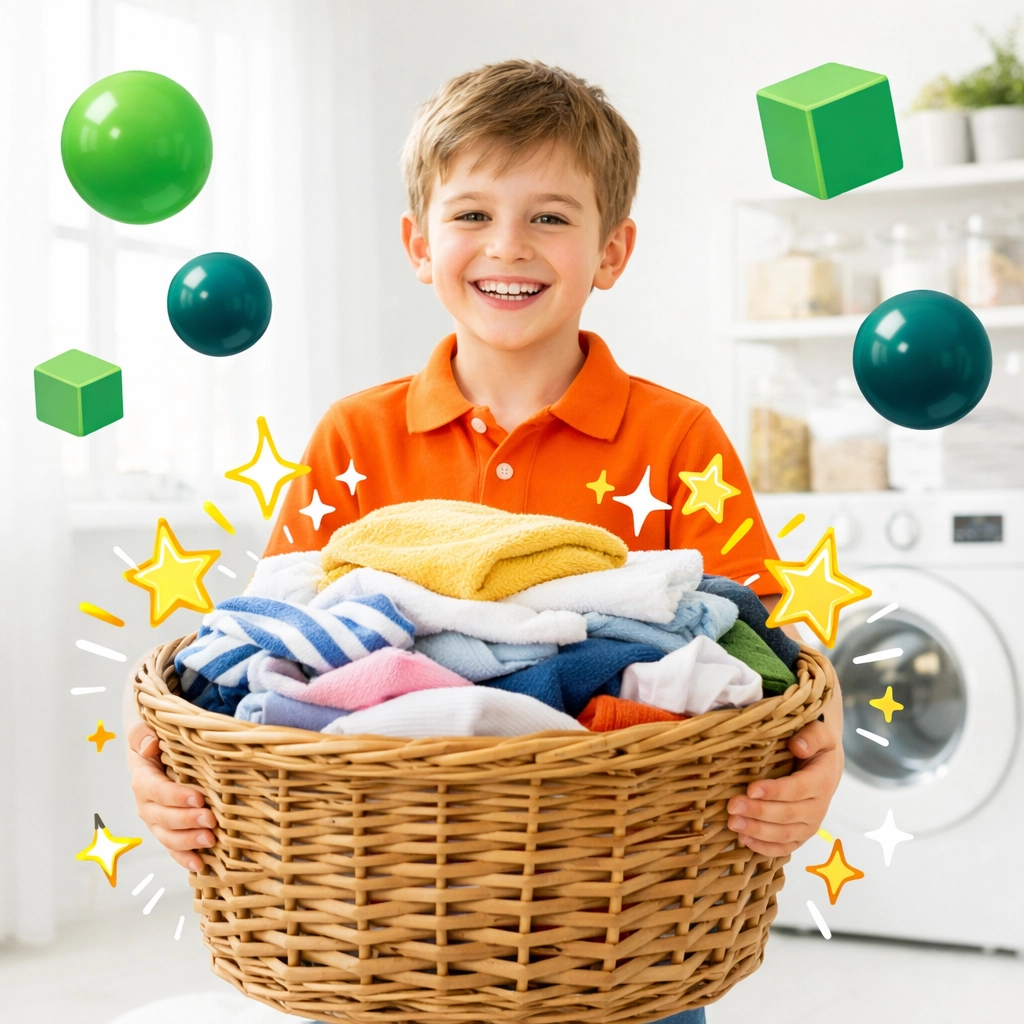
Let's empower the next generation, one laundry load at a time.







Comments are closed