In the heart of every parent is a deep desire to see their child grow into a capable, confident, and responsible adult.
We want them to navigate the world with a sense of purpose: not just as consumers, but as contributors.
Yet, often, the very tool designed to build this character: the humble household chore: becomes a battlefield of nagging, half-hearted efforts, and ultimate frustration.
We tell ourselves it is easier to just do it ourselves.
We tell ourselves they are too busy with school or that they are "just kids."
But when we bypass the opportunity to teach responsibility through daily tasks, we aren't just saving time; we are withholding a vital gift.
In the kingdom of God, stewardship is a foundational principle.
Luke 16:10 reminds us that he who is faithful in what is least is faithful also in much.
Chores are the "least" things that prepare our children for the "much" that life will eventually demand of them.
Let’s talk about the mistakes we are making and how we can pivot toward building real, lasting responsibility.
We often tell our children to "clean the kitchen" or "tidy your room" and then feel a surge of irritation when we walk in thirty minutes later to find the floor still sticky or the bed unmade.
The problem? We are being vague.
To a ten-year-old, "clean" might mean the toys are no longer touching the floor.
To you, it means the surfaces are wiped, the laundry is in the hamper, and the books are on the shelf.
When we fail to set specific, documented expectations, we set our children up for failure.
Is it fair to hold them to a standard they cannot see.
It is tempting to use money as the primary motivator for chores.
While teaching financial literacy is essential: and we cover this extensively in our Financial Literacy Course: chores should not be entirely transactional.
When every dish washed has a dollar sign attached, the child learns that work is optional based on whether they "need" the money that day.
If they decide they have enough cash, the chore suddenly doesn't matter.
Real responsibility is about being part of a community: the family.
It is about understanding that we all contribute because we all belong.
Save the payments for "extra" jobs that go beyond the daily maintenance of the home.
We have all been there.
It takes your toddler ten minutes to put their shoes in the cubby, but it takes you five seconds.
It takes your teenager three attempts to load the dishwasher correctly, but you can do it perfectly the first time.
When we step in and take over because we are in a hurry, we send a subtle message: your contribution isn't actually necessary, and you aren't quite capable enough.
Building responsibility requires the sacrifice of our time.
It is an investment in their future competence, even if it means living with a few streaks on the window for a week.
We often wait for our kids to "want" to help.
We expect them to see the overflowing trash can and feel a sudden, intrinsic urge to take it out.
The reality? Most adults don't even have that urge.
We do it because we understand the consequences of a smelly kitchen.
Children and teens need systems, not just "willpower."
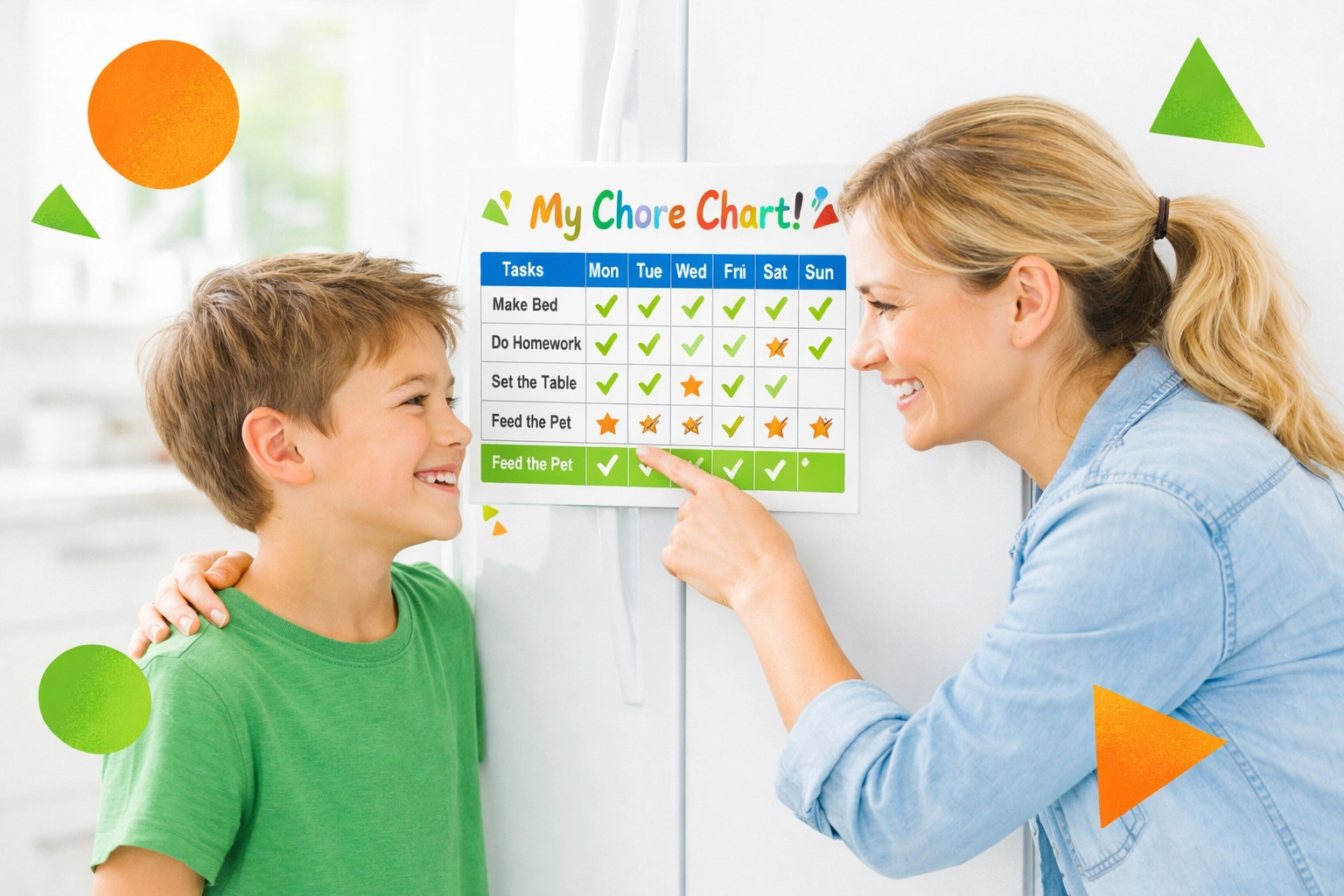
They need phone alarms, checklists on the fridge, and routines that link chores to things they already do: like clearing the table immediately after the final bite of dinner.

If a child thinks chores are just a way for parents to boss them around, they will resist.
We must help them see the personal benefit and the blessing they provide to others.
Instead of "Go do the laundry," try explaining: "When we all help with the laundry, it means we have clean clothes for our football game tomorrow, and it gives us more time to watch a movie together tonight."
Connect the task to the heartbeat of the home.
In Colossians 3:23, we are told: whatever you do, work at it with all your heart, as working for the Lord, not for human masters.
Teaching them to work for a higher purpose changes the atmosphere of the home.
Consistency is the glue that holds responsibility together.
If you ask your teen to mow the lawn by Saturday and they don't do it: and you don't mention it: you have just taught them that your word is negotiable.
Accountability is a form of love.
It tells the child that their role in the family is important enough to be noticed.
When we skip the follow-up, we undermine the entire system of growth.
Sometimes, in a burst of "parenting inspiration," we create an elaborate chore chart with twelve daily tasks for a child who hasn't even mastered making their bed.
This leads to burnout for both the parent and the child.
Start small.
Choose one or two high-impact tasks and stay consistent until they are second nature.
Experience of success is a powerful motivator.
Let them feel the win of a job well done before adding the next level of responsibility.

So, how do we move from "nagging" to "nurturing"?
First, we must demonstrate.
Don't just assign; coach.
Work alongside them until you are confident they have the skill.
Second, adjust your expectations to their developmental stage.
A seven-year-old’s version of a folded towel will not look like yours, and that is okay.
Value the effort and the progress over the perfection.
Third, acknowledge the effort.
A simple, "I really appreciate how you took care of the dog without being asked today," goes much further than a bribe.
Chores are just one piece of the puzzle in raising a prepared, resilient child.
At Empower Kidz and Teenz Academy, we believe in a holistic approach to life skills: from household management to emotional intelligence and spiritual stewardship.
Is your child ready for the challenges of the real world.
We invite you to join our Easter Life Skills Bootcamp running from March 30 to April 13, 2026.
This two-week challenge is designed for kids (ages 5–12) and teens (ages 13–19) to transform hearts and nurture futures through practical, engaging lessons.
It is more than just learning to cook or clean: it is about discovering purpose and building a foundation that lasts a lifetime.
You can also access our Complete Life Skills Bundle for just £19.99, giving your child the tools they need to thrive in every area of life.
Preparation is the greatest gift you can give your child.
Give them the tools to navigate life with confidence.
Explore the Complete Life Skills Bundle today.
If you have questions about which program is right for your family, call our team.
Reach out to Rachel at +44 121 823 1456 or send us a message on WhatsApp.
Let’s work together to empower the next generation.
Sign up for the Easter Life Skills Bootcamp and watch your child grow in ways you never thought possible.
Your journey toward a more responsible, harmonious home starts with one small step today.