We want our children to be more than just "smart."
In today’s fast-paced, digital-heavy world, we want them to be capable, resilient, and prepared for the realities of adulthood. We buy the workbooks, we download the checklists, and we sign them up for the classes.
But then, the reality hits.
The chore chart is ignored. The lesson on money management is forgotten by the time they see a shiny new toy. The communication skills we practiced during "family time" evaporate during a playground disagreement.
It feels like you’re pouring water into a leaky bucket: not because you aren't trying, but because the lessons simply aren't sticking.
At Empower Kidz and Teenz Academy, we see this struggle often. Teaching life skills isn't just about passing on information; it's about heart transformation and habit formation.
Let’s talk about why your current approach might be stalling and how you can pivot today to give your child the foundation they truly deserve.
If life skills are only discussed on Tuesday at 4:00 PM, your child will view them as another school subject to be "passed" and then forgotten. Life skills are not an academic requirement: they are the heartbeat of daily existence.
When we isolate these lessons, we disconnect them from their purpose.
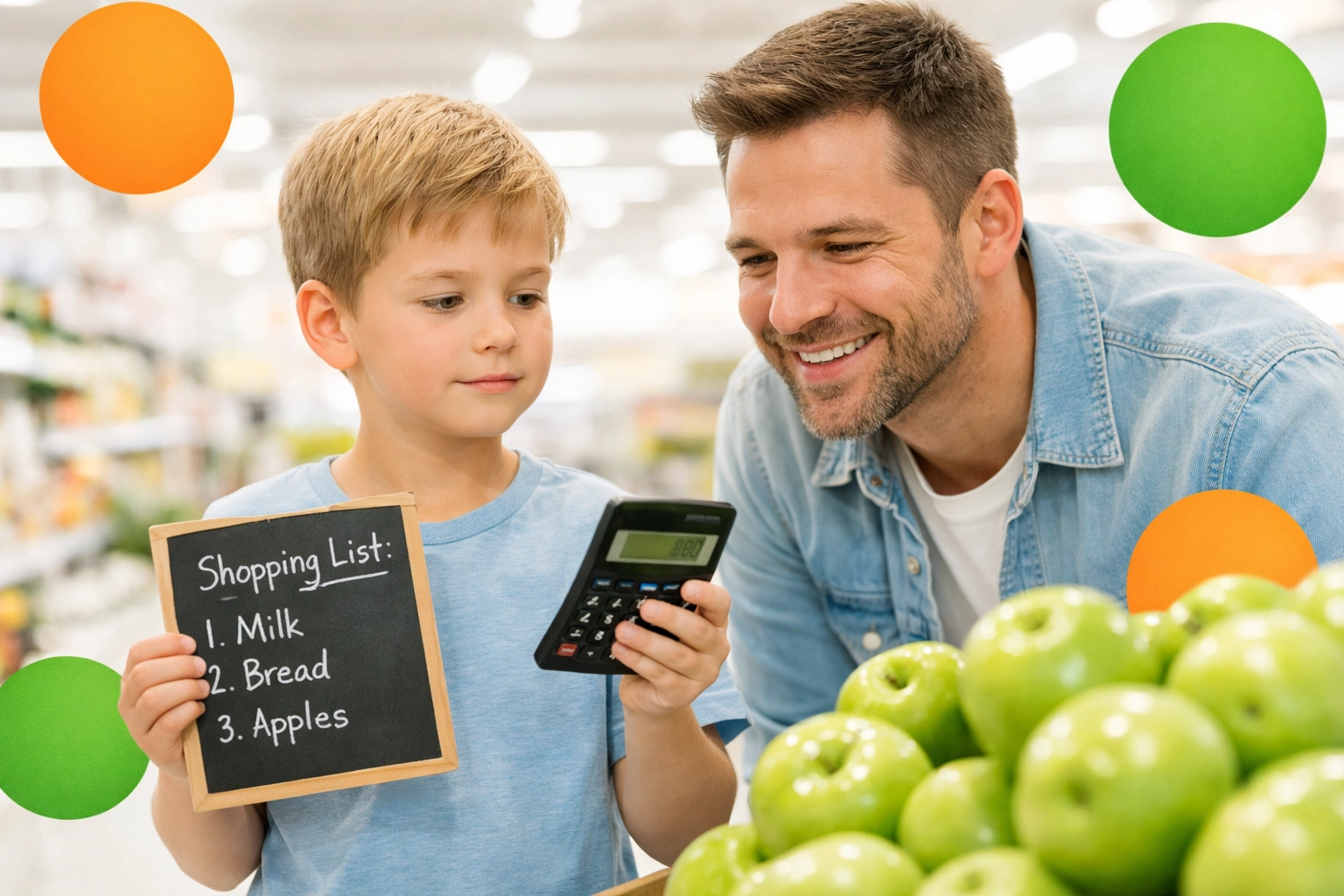
The fix is simple: stop teaching and start living. Integration is the key to retention. If you are teaching financial literacy, don’t just use a worksheet; have them help you calculate the grocery budget or understand the stewardship of "giving, saving, and spending" in real-time.
Kids, especially teens, are hardwired to seek purpose. If they don’t understand why a skill matters, they won't internalize it.
We often tell them how to fold laundry or how to stay safe online, but we forget to connect these actions to their identity and their future.
As a parent, you understand that these skills are part of their biblical stewardship. Colossians 3:23 tells us, "Whatever you do, work at it with all your heart, as working for the Lord, not for human masters."
When they see that managing their time or their emotions is a way to honor God and serve others, the skill takes on a new weight. It’s no longer a chore; it’s a mission.
If your life skills curriculum involves more reading than doing, it will fail.
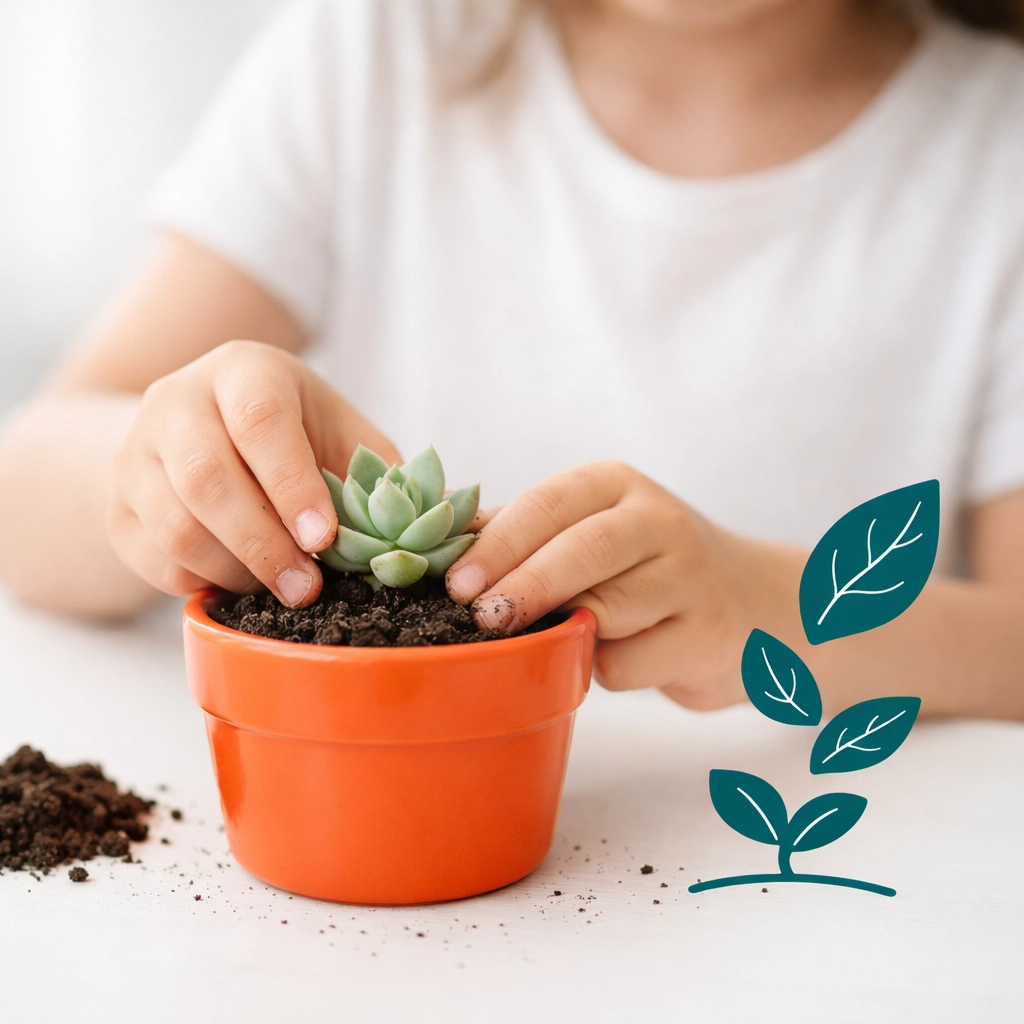
Children and teens learn by doing. They need to get their hands dirty, literally and figuratively. You can explain the concept of digital safety for hours, but it won't "stick" until they have to navigate a real-world scenario or a simulated online interaction.
Fix this by prioritizing hands-on projects. This is exactly why our Complete Life Skills Bundle focuses on practical application. Whether it's cooking a basic meal or managing a small project, the "doing" is where the learning happens.
It is tempting to want your child to master 50 skills by the end of the month. We see the gap in their preparation and we panic.
But overwhelm is the enemy of progress.
When a child feels overwhelmed by a massive list of expectations, they often shut down entirely.
Focus on one "pillar" at a time. Maybe this month is the month of Emotional Intelligence, and next month is Financial Stewardship. By narrowing the focus, you allow the skill to become a habit before moving on to the next.
We are our children’s primary curriculum.
If we tell them to manage their screen time but our phones are permanently attached to our hands, the lesson is lost. If we teach them about "soft skills" like empathy and active listening but we dismiss their feelings, the curriculum feels like a lie.
Authenticity is your greatest teaching tool. Let them see you managing your budget. Let them see you apologize when you lose your temper.
Confidence isn't taught; it's caught.
There is a sweet spot between challenging a child and overwhelming them.
If the material is too simple, they’ll get bored and check out. If it’s too complex, they’ll feel incompetent and give up.
For our teens (13–19), they need "real-talk." They need to know about corporate etiquette, complex digital safety, and the reality of adult responsibilities. For our younger ones (5–12), they need engagement, storytelling, and play-based learning.
If your curriculum doesn't evolve as they grow, they will outgrow the lessons before they even learn them.
A life skills curriculum in 2026 that doesn't heavily emphasize digital literacy is incomplete.
It’s not just about "staying off bad sites." It’s about understanding the psychology of social media, protecting their digital footprint, and learning how to use technology as a tool for good rather than a distraction.
If they aren't learning how to be "Digital Stewards," they are being left behind. This is a vital part of modern life that requires constant, open conversation: not just a one-time talk.

Learning requires a cycle: Attempt, Fail, Feedback, Try Again.
If your curriculum is a one-way street where you give instructions and they supposedly follow them, there's no room for growth.
Encourage them to fail in a safe environment. Let them burn the toast. Let them overspend their allowance. These "failures" are the most fertile ground for life skills to finally stick.
Ask them: "What did we learn from that choice?" instead of "Why didn't you do what I said?"
Who said life skills have to be boring?
If the process of learning is a drag, your child will associate "responsibility" with "misery."
Gamify the experience. Use challenges. Create "missions."
Right now, we are in the middle of our Easter Life Skills Bootcamp. It’s a 2-week challenge designed to be punchy, engaging, and: most importantly: transformative. It’s about nurturing their futures while having a blast during the holiday break.
If you haven't signed them up yet, today is the day. It’s for kids (5–12) and teens (13–19), and it’s the perfect way to jumpstart their progress.
Sometimes, as parents, we try to "wing it." We teach what comes to mind, but we miss the foundational gaps.
A structured, professional curriculum isn't about taking away your role as a parent; it's about giving you the tools to be a more effective mentor.
Having a roadmap ensures that nothing: from basic hygiene to complex leadership skills: falls through the cracks.
Our Complete Life Skills Platform provides this roadmap for just £19.99. It’s not just an investment in a "course"; it’s an investment in their future independence.

You don't need to overhaul your entire parenting style overnight. You just need to change the approach.
As we approach the final stretch of the Easter Life Skills Bootcamp (running until April 13th), there is no better time to commit to your child’s development. For just £19.99, the Complete Life Skills Bundle gives you everything you need to make these lessons stick for life.
Don't let another year pass where they are "smart" but not "prepared."
Give them the gift of competence. Give them the tools to thrive.
Ready to transform your child's future?
Train up a child in the way he should go, and when he is old he will not depart from it. (Proverbs 22:6)
Preparing them for life isn't just a task; it's a calling. Let's make sure the lessons stick.